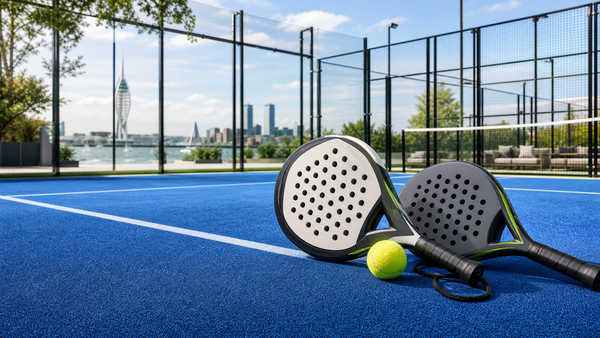
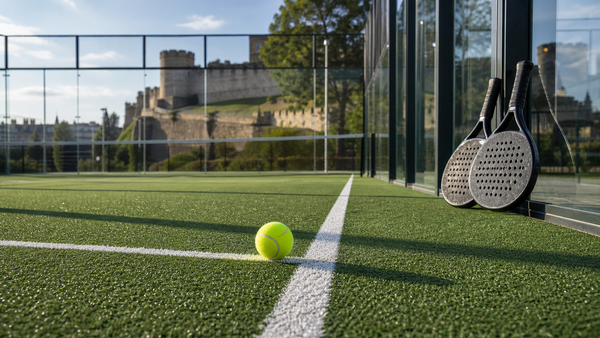
Padel is becoming so popular because it is easy to try, social by default and backed by rapid court growth. Beginners can enjoy rallies quickly, clubs can run repeat doubles bookings, and the sport has enough tactical depth to keep regular players interested.
Last updated: 24 June 2026. This article uses current LTA and International Padel Federation reporting for growth claims.
The short answer
Padel has a rare mix: low barrier to entry, high repeat potential and strong venue economics. You do not need an overarm serve, the court is smaller than tennis, the walls keep rallies alive and the doubles format makes it easy to play with friends.
That is why it has moved from niche curiosity to a sport many people now recognise, book and play regularly.
1. It is easy to start
Some sports make beginners suffer before the fun arrives. Padel is kinder. The LTA's beginner guidance explains that padel is usually played in doubles on an enclosed court, points start with an underarm serve after one bounce, and players can use the walls after the ball has bounced.
That means new players can often get rallies going in their first session. Early fun is a powerful growth engine.
2. It is naturally social
Padel is normally played as doubles, so it starts with 4 people rather than one player trying to motivate themselves in a corner of the gym. Friends, couples, work groups and club sessions all fit the format.
The social side matters because it creates repeat behaviour. A regular group booking is easier to maintain than a vague promise to exercise more.
3. Rallies last longer
The enclosed court and playable walls keep more balls alive. That creates longer rallies, more reactions and more chances for beginners to feel involved.
A sport grows faster when the first session feels like playing, not practising failure. Padel is good at making ordinary players feel competitive quickly.
4. Clubs and venues can make it work
Padel courts take less space than tennis courts and the sport is played as doubles, so venues can serve more players in a compact footprint. That does not make every court project automatically right - planning, noise, lighting and local demand still matter - but it explains why clubs and leisure operators are interested.
More venues create more awareness. More awareness creates more bookings. Then the cycle starts looking rather pleased with itself.
5. The UK numbers now have substance
The LTA reported that padel participation doubled during 2025 to 860,000, with the number of courts in Britain rising to over 1,500. It also said participation had since passed 1m players.
Those are not just vibes. They show a sport moving from early-adopter territory into broader leisure participation. The UK is still behind mature padel markets such as Spain, but the direction is clear.
6. Global growth gives the sport credibility
The International Padel Federation's 2025 World Padel Report described over 35m players globally, with increases in clubs, courts and registered federation members. That matters because it gives the sport a bigger ecosystem: coaching, competition, equipment, tours and media coverage.
Growth figures should still be read carefully. Different countries count participation differently, and a one-off player is not the same as a weekly regular. But the global direction is strong.
7. It is active without feeling like formal exercise
Padel involves short bursts, changes of direction, volleys, lobs and plenty of reactions. For many players, it feels more like a game with friends than a workout slot.
Intensity depends on the match. A beginner social session and a competitive league game are very different beasts, so build up sensibly.
8. It has depth after the beginner buzz
If padel were only easy, people would get bored. The sport keeps players because it becomes more tactical as you improve. Wall rebounds, lobs, net position, controlled overheads and partner movement all take time to learn.
That creates the best kind of learning curve: friendly at the start, awkward enough later to keep you honest.
Is padel just a trend?
Some hype will fade. That always happens when a sport grows quickly. The better question is whether the sport has repeatable reasons to stay popular.
Padel does: social doubles, accessible first sessions, more courts, beginner coaching, leagues and a tactical ceiling. The risk is weaker local execution - courts without community, coaching or level-matched sessions. Build the community and the sport has more staying power.
What should beginners do next?
Book a beginner session before buying loads of kit. Hire a racket if possible, then decide whether you want your own. If you do, start with a comfortable, controlled option from our padel rackets and use the padel gear guide before adding extras.
For the basics, read is padel easy to learn? and where padel is most popular. You can also join the Darts Connect email list through the home page sign-up form for beginner padel guides.
FAQs
Why is padel becoming so popular?
Because it is easy to start, social, active and fun quickly. The doubles format, underarm serve, smaller court and playable walls all help beginners enjoy the sport early.
Why is padel popular in the UK?
The UK has seen more courts, higher awareness and fast participation growth. LTA reporting says 2025 participation doubled to 860,000 and later passed 1m players.
Is padel just a fad?
It has hype, but it also has strong repeat-play ingredients: social doubles, accessible rallies, tactical depth and growing venue supply.
Is padel easier than tennis?
For many beginners, yes. The underarm serve and wall-assisted rallies make the first session more approachable, though padel still becomes tactical as players improve.
Why do clubs like padel?
Padel can suit compact venue footprints and regular doubles bookings. Clubs still need good planning, coaching, community and local demand for it to work well.
Sources and further reading
- LTA: Annual Report and Accounts show growth of tennis and padel in 2025
- LTA Padel: 860,000 players in Britain in 2025
- International Padel Federation: World Padel Report 2025
- LTA: How to get started playing padel
Sources checked 24 June 2026.